Why hiring multi-skilled, EV-qualified vehicle technicians matters for workshops now
1. Workshop skills requirements are changing
The mixed vehicle market is already here
Think about the last ten vehicles that came through your workshop. Some were petrol. A few were diesel. Perhaps one or two were hybrid. And if the trend in your area reflects the national picture, there may have been an electric vehicle in there too. That mix is not unusual in 2026 and it is going to become more varied, not less.
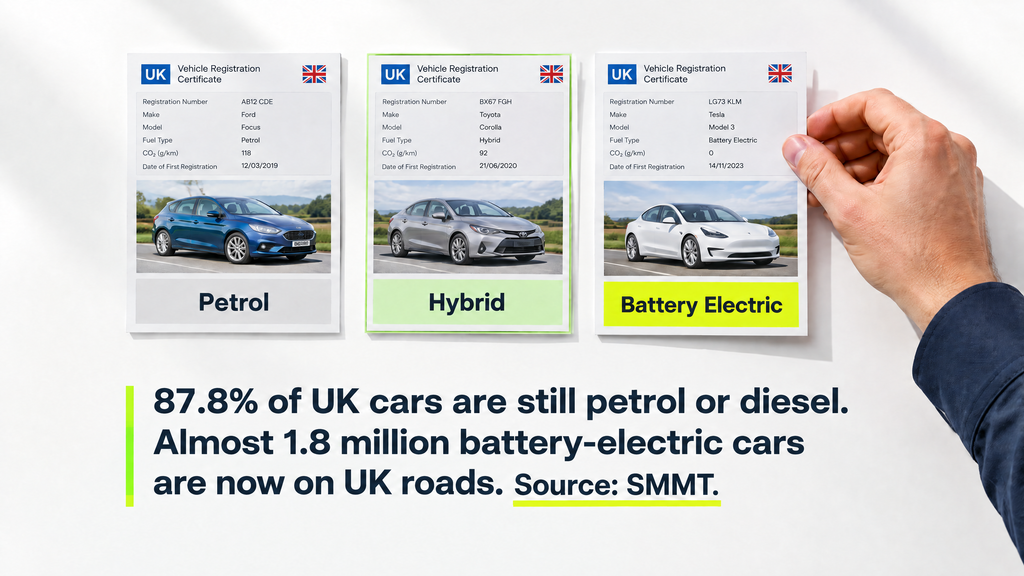
According to SMMT’s 2025 Motorparc data, 87.8% of UK cars are still petrol or diesel powered. The average car on UK roads is now 9.7 years old and 45.7% of the car parc is more than a decade old. ICE vehicles are not going anywhere quickly. But at the same time, battery electric vehicles have passed 1.8 million on UK roads, while one in nine vehicles is now electrified in some form. The transition is real and the vehicle mix is continuing to change.
What this means in practice is that independent workshops are not choosing between an ICE future and an EV future. They are managing both simultaneously, right now. Hiring multi-skilled, EV-qualified vehicle technicians is one of the most practical ways to build EV capability without losing the ability to serve today’s ICE customers.
87.8% of UK cars are still petrol or diesel. At the same time, almost 1.8 million battery-electric cars are now on UK roads, while one in nine vehicles is electrified in some form. Source: SMMT Motorparc 2025.
2. What a multi-skilled, EV-qualified vehicle technician actually is
An EV qualification does not mean an EV-only technician
There is a common misconception worth addressing directly. When garages hear the phrase EV-qualified technician, many picture someone who only works on electric vehicles. In practice, the most commercially valuable candidates are something quite different.
A multi-skilled, EV-qualified vehicle technician is a vehicle technician first. They have built their career on ICE servicing, diagnostics and repair. Over time, they have added EV and high-voltage qualifications at IMI Level 2, Level 3 or Level 4 and developed practical experience alongside those credentials. They can service and repair conventional vehicles, diagnose faults across different drivetrains, work on hybrid systems and carry out appropriate work on electric vehicles including high-voltage systems, depending on their qualification level.
Many of these technicians also hold MOT tester qualifications and have experience across multiple manufacturers. For an independent workshop that sees a wide range of makes and models, this breadth of capability is precisely what makes them valuable. EV-qualified does not mean EV-only. For most independent workshops, the commercial value comes from someone who can contribute across the whole operation.
3. Why workshops need skills across ICE, hybrid and EV vehicles
Your customer base will not change overnight, but it is changing
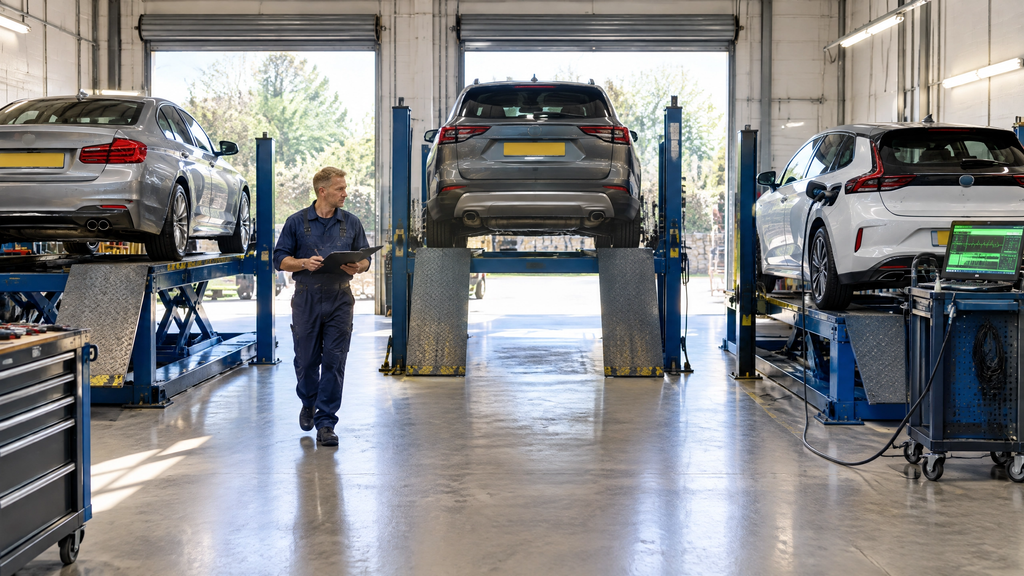
Independent garages are not moving from ICE workshops to EV workshops in a single step. Your customer base already includes petrol, diesel, mild hybrid, full hybrid, plug-in hybrid and battery electric vehicles. That mix will shift over time as your customers replace older vehicles but it will remain a mix for many years to come. What this creates is a need for technical flexibility. A technician who can move fluidly between ICE, hybrid and EV work is more valuable to a workshop serving that broad customer base than someone limited to one category. The objective for most independent garages is not to create a separate EV department but to develop sufficient EV capability within an adaptable team.
4. One technician, broader workshop capability
Why the EV-only objection misses the point
One of the most common concerns we hear from independent garage owners is this: we do not see enough EVs to justify hiring an EV technician. It is an understandable position, but it rests on a misunderstanding of what you are actually hiring.
If you recruit a multi-skilled, EV-qualified vehicle technician, you are not hiring someone to sit idle between EV arrivals. You are hiring a vehicle technician with an additional layer of capability. On any given day, that person could be carrying out a service on a petrol estate, diagnosing a fault on a diesel van, working on a hybrid system and potentially completing appropriate EV work when the vehicle and the job require it. The EV qualification is an addition to their capability, not a replacement for everything else.
This reframes the decision entirely. The question is not whether you see enough EVs to justify an EV specialist. The question is whether a vehicle technician with EV qualifications and experience represents better value than one without. When the vehicles your customers drive are changing, the answer is increasingly clear.
5. How EV capability can help workshops with revenue
The work you can take on versus the work you have to turn away
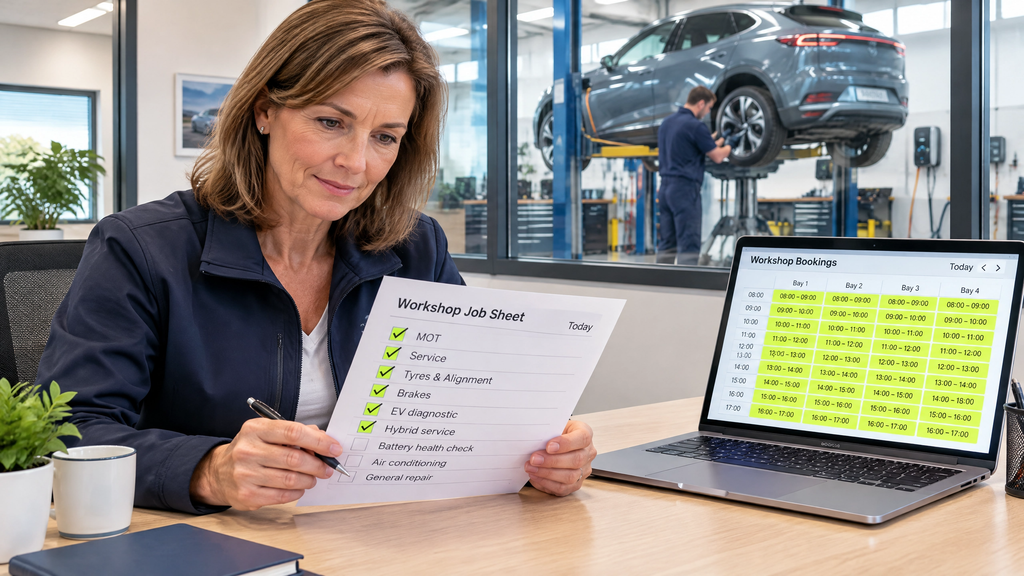
A workshop can only generate revenue from work it has the technical capability to carry out. When suitable work has to be referred elsewhere because the right skills or qualifications are not available, that can represent potential revenue lost to the business. As the vehicle mix on UK roads continues to change, having the capability to service and repair EVs and hybrids can help workshops respond to this changing demand.
Strengthening technical capability can potentially help your workshop accept additional EV and hybrid work, reduce referrals to other garages, attract customers whose vehicles you can now properly support and improve workshop utilisation when a technician can move between different types of work. It is worth being clear though: hiring an EV-qualified technician alone does not guarantee revenue growth. You also need appropriate equipment, tooling, safety procedures and sufficient local demand. But having appropriately trained and competent technicians is a fundamental part of developing that capability. Equipment and infrastructure can only deliver their intended value when the people using them have the appropriate skills and competence.
6. Why brand-neutral EV experience matters for independent garages
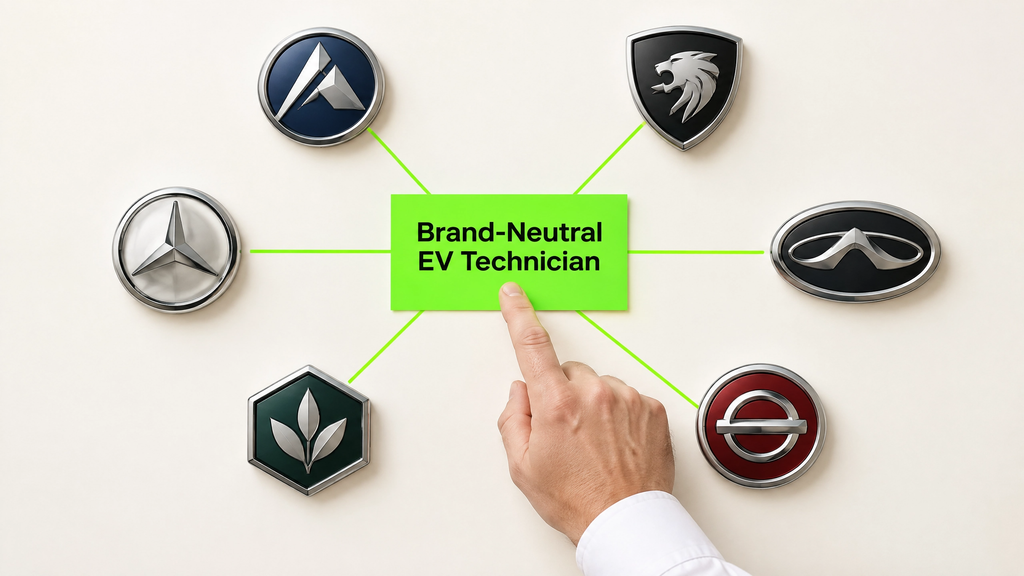
Flexibility across manufacturers is a genuine differentiator
Independent garages typically work across a wide range of vehicle makes and models rather than focusing on a single manufacturer. That breadth of customer base creates a specific requirement when it comes to EV-qualified technicians.
A technician who has experience across different vehicle makes, EV systems, battery technologies and diagnostic environments can offer an independent workshop broader practical flexibility. EV systems and diagnostic procedures can vary between vehicles, so experience across different architectures can be valuable when dealing with a varied customer base.
For an independent workshop, this makes broad EV experience an important consideration when recruiting. A technician who can approach different EV systems methodically, use the appropriate technical information and apply their diagnostic skills across different vehicles may be better suited to a workshop that services a wide range of makes and models.
The UK’s independent aftermarket supports a wide range of vehicles and vehicle technologies. EV-qualified technicians with experience across different systems and diagnostic environments can give independent workshops greater flexibility as the vehicle mix continues to change.
7. Protecting existing revenue through customer retention
EV capability is not only about winning new customers
Consider a scenario playing out in workshops across the UK. A customer has been bringing their petrol car to the same independent garage for ten years. They trust the team and value the service. Then they replace their car with an electric vehicle. Can your workshop still support them? If the answer is no or not fully, that customer may need to establish a relationship with a different workshop. EV capability therefore has a defensive function as much as an offensive one. It is not only about acquiring new EV customers. It is about ensuring that customers you have already earned do not have a reason to leave as their vehicles change.
8. IMI Level 2 to Level 4: Matching qualification to workshop need
Not all EV qualifications are the same
IMI Level 2, Level 3 and Level 4 EV qualifications represent meaningfully different levels of knowledge and practical competence. Searching generically for someone who is EV qualified without understanding what level your workshop actually needs is likely to produce a mismatch between the technician’s capability and the work you intend to carry out. The level you need should depend on the work your workshop plans to undertake, your current customer demand and the existing capability within your team. Being clear about this before you advertise a role will give you a much stronger shortlist.
9. Qualifications alone are not enough
The technician behind the certificate matters
An IMI EV qualification tells you that someone has met a defined standard through an accredited training programme. What it does not tell you is how that person performs in a busy workshop environment or how much practical EV experience they have built alongside their certificate. Years of automotive experience, practical EV exposure, ICE capability, hybrid experience, diagnostic skills, the makes and models previously worked on, whether their background is independent or dealership, MOT qualifications where relevant and their approach to safety all contribute to how useful someone will be in your specific workshop. The qualification is the starting point of the assessment, not the end of it.
10. Training existing technicians or recruiting?
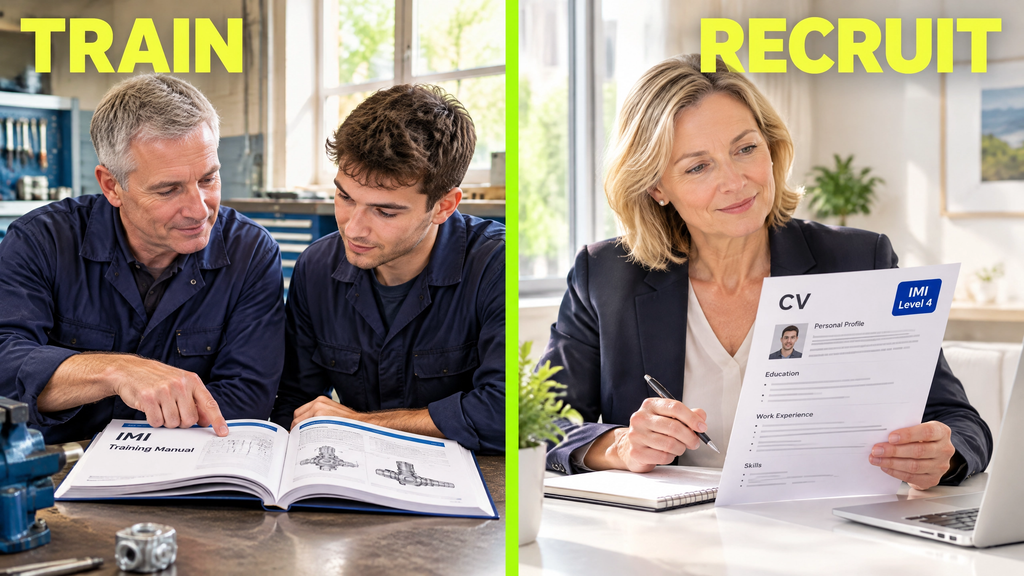
The answer is often both
Training existing employees through the IMI EV framework is an excellent way to build capability within a team that already understands your workshop and your customers. Where a technician has the right aptitude and sufficient practical EV exposure, structured training can produce a well-rounded and loyal addition to your EV capability over time. However, recruitment may be more appropriate when capability is needed more quickly, when existing technicians lack sufficient practical experience or when a departing technician needs replacing with someone who can contribute immediately. For many workshops the most effective approach combines both: recruiting an experienced IMI Level 3 or Level 4 technician while simultaneously developing EV competence across the existing team creates both immediate capability and longer-term resilience.
11. Plan before the skills are urgently needed
Reactive hiring in a competitive market is the most difficult kind
Recruiting a skilled EV-qualified technician takes time. Going through a proper process, agreeing terms and waiting out a notice period can easily take two to three months. Developing a technician through the IMI framework takes longer. Building the practical competence that makes a qualification genuinely useful in a live workshop environment takes longer still. The workshops best positioned as EV volumes grow are those asking not how many EVs are coming through today but what technical capability will we need over the next three to five years. That question leads to workforce planning. Workforce planning leads to investment in the right people at the right time, made before the skills are urgently needed rather than in response to a gap that already exists.
12. Building a workshop ready for what comes next
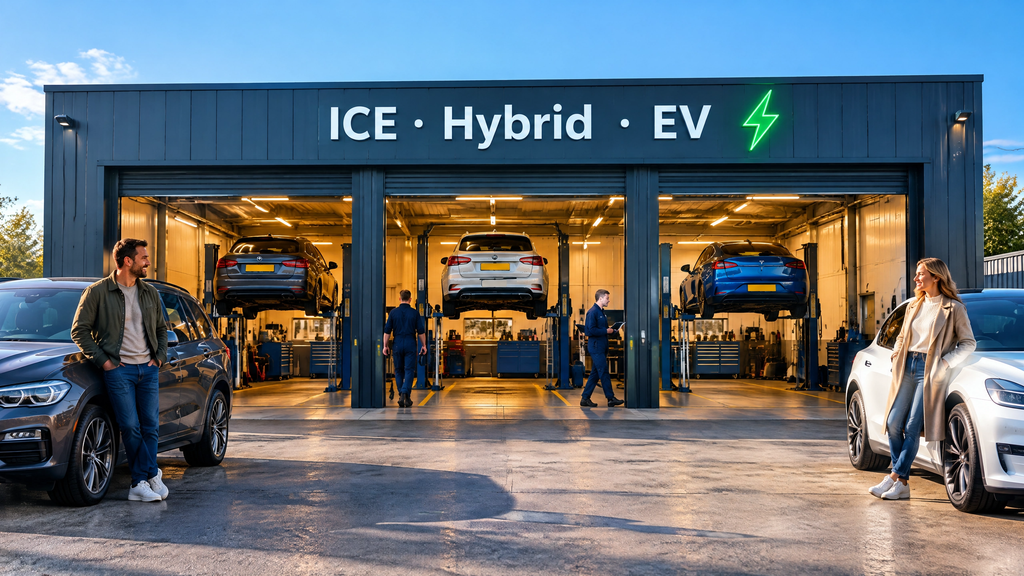
ICE, hybrid and EV capability under one roof
The future independent workshop does not need to choose between being an ICE garage and an EV garage. The stronger commercial position, as the vehicle mix continues to change, is having sufficient technical capability across petrol, diesel, hybrid and electric vehicles within the same team. Multi-skilled technicians are what make that possible.
Hiring for broader capability now can strengthen your technical team, reduce the work you have to turn away, support customer retention and improve your ability to compete across an increasingly varied vehicle market. Brand-neutral, EV-qualified vehicle technicians who can contribute across ICE, hybrid and EV work give independent workshops the flexibility they need as customer demand continues to evolve. That is a return worth planning for and acting on before your competitors do.
Sources: SMMT Motorparc 2025, SMMT Aftermarket Report, IMI TechSafe Technician Forecast Q4 2025, IMI EV Qualification Framework, IMI TechSafe.