Upskill or hire? How independent EV businesses can build a future ready technician team
The phone rings on a Monday morning. A loyal customer asks if their electric vehicle can be inspected that week. The team pauses. The demand is there yet the right technical capability is not always immediately available. Across the UK independent garages, independent dealerships and EV service providers are experiencing similar moments as electric vehicle adoption continues to grow. The transition from combustion to electric technology is already influencing workshop operations workforce planning and long term business strategy.
Demand for EV servicing continues to rise as more electric and hybrid vehicles enter everyday use. This growth is increasing the need for technicians qualified to work safely on high voltage systems and complex electrical components. Independent businesses often operate with lean teams which makes workforce decisions more critical. Balancing training investment recruitment strategy and operational productivity is becoming a key leadership responsibility.
The purpose of this article is to support independent EV businesses in deciding whether upskilling existing staff or hiring qualified IMI Level 2 IMI Level 3 and IMI Level 4 technicians provides the most practical route to building a future ready technician team.
2. Understanding the EV technician role
IMI qualifications and their importance
IMI qualifications provide a structured framework that defines technician capability across electric and hybrid vehicle systems. IMI Level 2 focuses on awareness and safe working procedures around high voltage environments. IMI Level 3 supports technicians who carry out repair replacement and diagnostics. IMI Level 4 applies to advanced diagnostic specialists working on complex electrical systems and high voltage components.
EV specific diagnostic and repair skills
EV technicians require practical knowledge of system diagnostics component replacement electrical testing and safe isolation procedures. The technical nature of EV systems means that training alone does not always guarantee workshop readiness without real experience.
Safety regulations and compliance
Working with high voltage systems requires strict adherence to safety standards and compliance requirements. Qualified technicians understand how to follow safety procedures and maintain documentation standards within workshop environments.
Continuous learning requirements
EV technology continues to develop which means technicians must maintain current knowledge of system changes safety requirements and diagnostic procedures.
3. The reality of upskilling
Available training programs and certifications
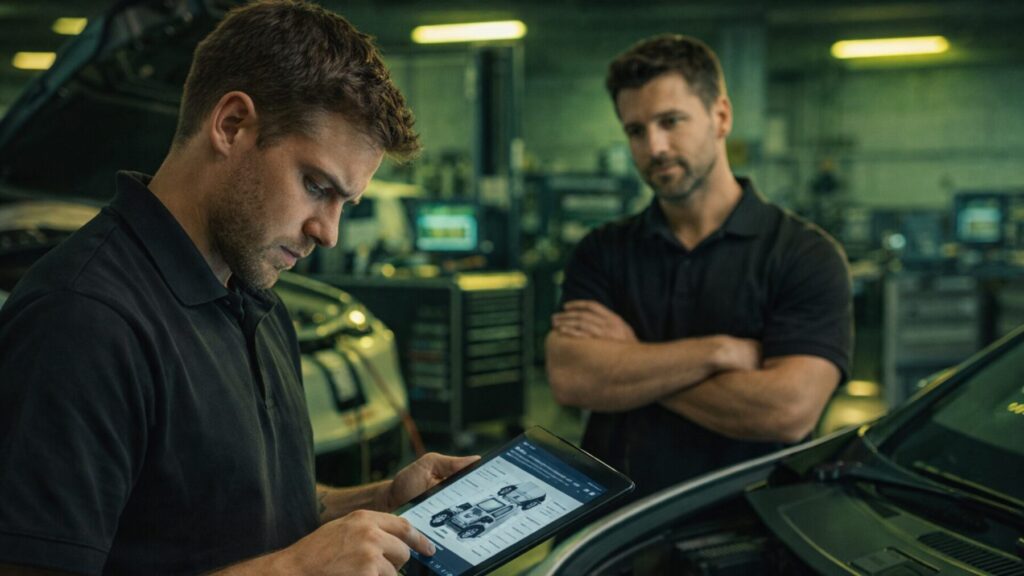
Upskilling programmes aim to develop technician capability through structured learning aligned to IMI standards. These programmes support progression from Level 2 awareness through to Level 3 repair capability and Level 4 advanced diagnostics. While training builds knowledge practical competence often develops gradually through workshop experience.
Average training durations and impact on operations
Training periods can reduce technician availability within service bays. Businesses must manage workloads while technicians attend courses complete assessments and gain practical exposure to EV systems. This may affect productivity especially where team size is limited.
Case studies of slow or unsuccessful upskilling
In some cases businesses find that upskilling takes longer than expected. Technicians may require additional supervision before working independently on high voltage systems. Delays can affect workshop scheduling and increase operational pressure on existing qualified staff.
Financial and operational implications
Training investment includes course fees reduced productivity and supervision time. Independent businesses must consider whether internal development meets immediate service demand or whether qualified technicians are required sooner to maintain operational consistency.
4. Why hiring IMI qualified EV technicians is often the smarter choice
How hiring accelerates growth vs waiting for training
Hiring IMI qualified technicians allows businesses to respond faster to increasing EV service demand. Qualified technicians bring existing capability which helps maintain service continuity without extended development periods. This approach supports steady workflow management and reduces pressure on existing teams.
Key skills and competencies of IMI qualified staff
IMI Level 2 technicians understand safe working practices around high voltage systems. IMI Level 3 technicians carry out repair replacement and diagnostic work. IMI Level 4 technicians manage complex diagnostics electrical analysis and advanced fault identification. Each level provides defined capability aligned to workshop requirements.
Reducing business risk and operational disruptions
Hiring qualified technicians reduces the likelihood of capability gaps that may affect service delivery. Pre vetted professionals with verified qualifications provide confidence that work can be completed safely and efficiently.
Case studies or anecdotal examples
Independent garages that hire qualified technicians often maintain stable service capacity while supporting business growth. Ready trained professionals help maintain workflow continuity without placing additional pressure on existing teams.
5. Financial comparison upskilling vs hiring
Direct and indirect costs of upskilling
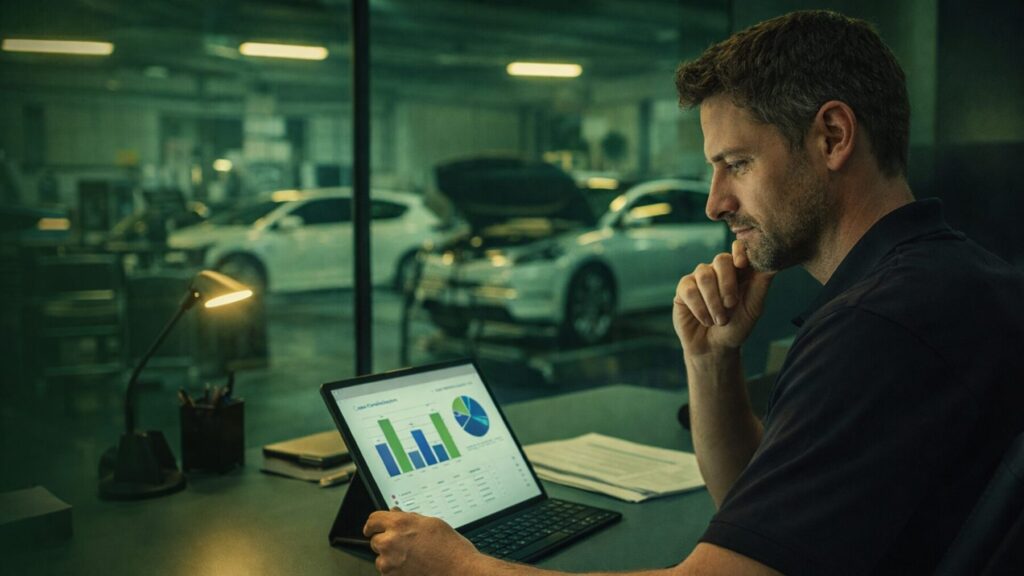
Upskilling includes training fees time away from productive work and supervision requirements. Indirect costs may include reduced service capacity or delayed job completion while technicians develop competence.
Hiring costs vs long term benefits
Hiring qualified technicians may require initial recruitment investment yet can reduce operational delays associated with extended training periods. Access to technically vetted candidates helps reduce the risk of mis hire and supports consistent workshop output.
ROI scenarios for small and medium independents
Independent businesses often benefit from balancing recruitment with targeted development. Hiring experienced technicians can provide immediate capability while internal training supports long term workforce resilience.
6. Operational advantages of hiring
Managing service bays efficiently
Qualified EV technicians can begin contributing to workshop output with minimal adjustment periods. This supports stable bay utilisation and helps maintain consistent job flow.
Balancing workloads during training periods
When existing staff undertake training service capacity may temporarily decrease. Hiring experienced technicians helps maintain balance and prevents disruption to customer schedules.
Planning for future EV service expansion
As EV demand increases workshops require technicians who understand evolving systems and safety procedures. Hiring supports forward planning by ensuring capability aligns with future service requirements.
7. Strategic benefits of building a ready trained EV team
EV market trends and emerging skills
The EV sector continues to develop with increasing technical complexity across vehicle systems. Businesses that build capability early create a stable foundation for long term service delivery.
Advantages of a highly skilled EV team
A team that includes IMI Level 2 Level 3 and Level 4 technicians provides structured capability across routine maintenance repair and advanced diagnostics. This balanced structure supports efficient workflow and reduces reliance on external support.
Competitive differentiation through specialist technicians
Independent businesses with qualified EV technicians demonstrate technical capability aligned with industry requirements. This supports confidence in service delivery and strengthens long term workforce stability.
8. Industry trends and future skills
Advanced diagnostics and software skills
EV systems increasingly rely on electronic architecture and diagnostic processes. Technicians with advanced diagnostic capability support accurate fault identification and efficient repair procedures.
Autonomous vehicles and next generation EV technology
As vehicle systems develop technicians must adapt to changing service requirements. Continuous professional development supports long term technical readiness.
Continuous professional development
Maintaining current knowledge supports compliance with evolving safety standards and IMI framework developments.
9. Case studies and real world examples
Independent garages successfully hiring vs upskilling
Independent workshops that prioritise hiring qualified technicians often achieve faster operational stability. Access to experienced professionals supports immediate service capability without extended development periods.
EV service startups scaling with ready trained technicians
Businesses entering the EV sector often benefit from recruiting technicians with existing qualifications aligned to IMI Level requirements. This helps maintain compliance with high voltage safety standards and supports structured team development.
Key takeaways for independent businesses
Combining recruitment with targeted internal development allows businesses to maintain consistent service capability while supporting long term workforce progression.
10. Blended approach hiring as the foundation
Decision making matrix for independents
Independent garages dealerships and EV service providers often benefit from establishing core capability through hiring qualified technicians. This creates operational stability while internal development strengthens future workforce depth.
When upskilling is a supplement not a replacement
Upskilling supports progression yet may not fully replace the need for ready trained professionals. A balanced strategy supports both immediate productivity and long term capability.
Planning for both short term needs and long term growth
Combining recruitment with structured development supports workforce continuity and helps manage future service demand.
11. Actionable recommendations
Assess current workshop capability in relation to EV service demand. Identify gaps aligned to IMI Level 2 Level 3 and Level 4 responsibilities. Consider hiring qualified technicians to establish immediate technical stability. Use structured workforce planning to balance recruitment with targeted internal development. Ensure technician capability aligns with safety standards and compliance requirements. Prioritise workforce planning that supports consistent service capacity and reduces operational disruption.
12. Conclusion
Independent EV businesses face increasing pressure to maintain technical capability as EV adoption grows. Hiring IMI qualified technicians supports immediate productivity while internal development strengthens future workforce resilience. A structured hiring strategy aligned with defined IMI levels helps maintain safety standards, reduce operational disruption and support long term business stability. Balancing recruitment with targeted development allows independent workshops to build capable teams prepared for evolving EV service requirements.