
Plugging the gap: Tackling the UK EV technician shortage in 2026 and beyond
1. Introduction
The UK automotive landscape has reached a definitive tipping point in 2026. What was once a gradual transition towards electrification has transformed into an accelerated surge, with electric vehicles now representing nearly a quarter of all new car registrations. As the silence of electric motors becomes the standard on British roads, the traditional grease stained image of the local garage is being replaced by high tech service bays filled with diagnostic tablets and insulated tools. However, beneath this polished technological exterior lies a growing structural weakness that threatens to stall the entire green revolution.
The critical enablers of this transition are not just the battery manufacturers or the charging infrastructure providers, but the technicians on the workshop floor. Without a workforce capable of safely handling high voltage systems, the multi billion pound investment in electric mobility remains incredibly fragile. We are currently witnessing a historic misalignment where consumer demand for cleaner transport is significantly outstripping the supply of qualified talent. This shortage is no longer a distant warning from industry bodies; it is a daily reality for workshop owners who are forced to turn away lucrative work because they lack the certified staff to perform it safely.
This article explores the specific drivers behind the 2026 technician crisis, from the nuances of IMI certification levels to the geographical disparities that create a postcode lottery for EV owners. We will examine the operational impact on businesses, the fierce competition for talent and the strategic solutions required to bridge the gap. By understanding these dynamics, businesses can move from a state of reactive crisis management to proactive workforce planning.
2. The current EV landscape in the UK
As we navigate through 2026, the statistics provided by the Society of Motor Manufacturers and Traders paint a picture of relentless growth. There are now over two million fully electric cars on UK roads, accounting for nearly 6% of the total car park. This rapid adoption is driven by the strict Zero Emission Vehicle mandate, which requires manufacturers to ensure a significant and increasing percentage of their sales are zero emission. This regulatory pressure has effectively removed the element of choice for many fleet operators and private motorists.
A structural shift in demand
This shift has fundamentally altered the demand for automotive services. While independent garages once relied on a steady stream of oil changes and exhaust repairs, they are now seeing a surge in requests for battery health checks, thermal management servicing and complex software updates. The independent sector, which forms the backbone of the UK repair industry, is under particular pressure to adapt. While large franchise dealerships often have the backing of global manufacturers, independent providers must navigate this transition with limited resources and often without direct factory support.
Vehicles as mobile computing platforms
The transition from internal combustion engines to electric powertrains is not a simple swap of components. An electric vehicle has fewer moving parts but far higher complexity in its power electronics and energy storage systems. This has created a concentrated demand for a new breed of specialist who can bridge the gap between traditional mechanical engineering and high level electrical diagnostics. As 2026 progresses, the businesses that successfully navigate this landscape are those that recognise the vehicle is now a mobile computing platform as much as a mode of transport.
3. Understanding the EV technician shortage
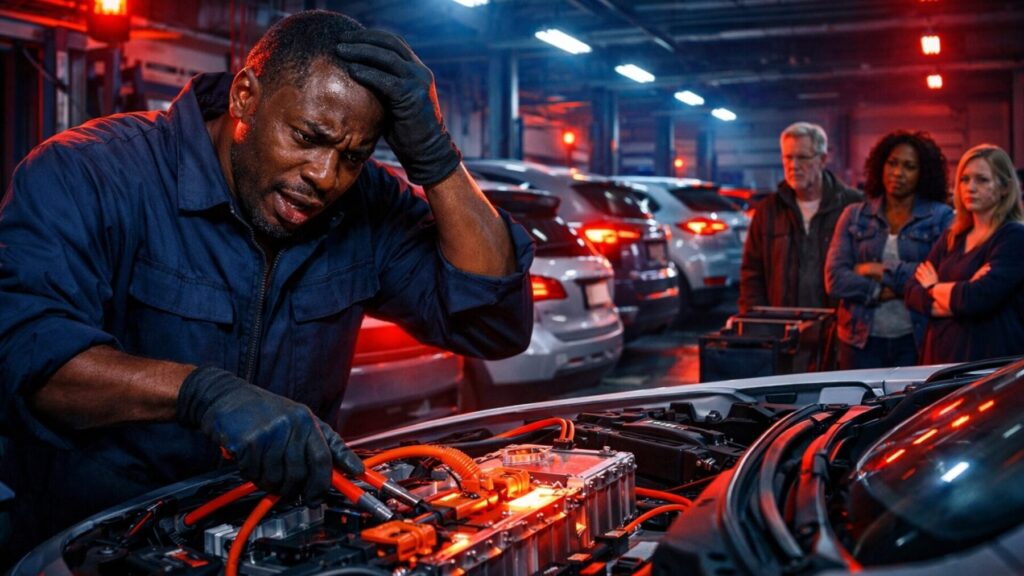
To truly understand the depth of the 2026 shortage, we must look at the specific tiers of expertise required. The industry standard is defined by the Institute of the Motor Industry TechSafe standards, ranging from Level 2 for basic hazard awareness to Level 4 for advanced diagnostics on live high voltage systems.
The skills misalignment
The industry reports suggest that only between 20% and 30% of the UK technician workforce is currently EV qualified. While this figure varies depending on the specific level of certification counted, it highlights a stark reality. For a significant portion of the workforce, working on the high voltage components of an electric vehicle remains outside their safe scope of work. Under the Electricity at Work Regulations 1989, employers must ensure that only trained and competent persons handle these electrical systems, yet the speed of the EV rollout has left many workshops without a single member of staff who meets this criteria.
To put this into perspective, we should consider established trades like bench joinery or traditional plumbing. In those sectors, the core skills and tools have remained relatively stable over many decades, which allows for a steady and predictable flow of apprentices to replace those retiring. In the automotive world, the situation is entirely different. We are currently experiencing an era where mechanical aptitude must be paired with the electrical engineering knowledge of a power grid specialist and the digital fluency of a software developer. This shift represents one of the most rapid and profound skill transitions the UK retail motor industry has ever faced.
Drivers of the crisis
Several factors have converged to create this perfect storm. The lack of a mandatory license to operate in the UK repair sector means that many businesses have delayed training until it was too late. Furthermore, there is a significant migration of talent as highly skilled technicians are headhunted by Original Equipment Manufacturers or large national fast fit chains that can offer higher salaries. This drain of expertise from the independent sector leaves smaller workshops vulnerable and unable to compete for the dwindling pool of active candidates.
4. Impact on businesses
The shortage of qualified EV technicians is having a profound and measurable impact on the daily operations of automotive businesses across Britain. The most immediate consequence is a significant delay in vehicle turnaround times. In many regions, EV owners are facing wait times of several weeks for simple diagnostic work because the only qualified technician in the building is overbooked.
The true cost of a vacant bay
Operational costs are also rising as garages are forced to pay premium wages or rely on expensive short term agency staff to cover the gaps. For a small independent garage, the cost of a single unfilled vacancy can run into thousands of pounds per week in lost labour revenue and diagnostic fees. Beyond the balance sheet, there is a significant reputational risk. If a customer brings their premium electric vehicle to a garage and experiences a long delay, they are unlikely to return.
Case study: The cost of waiting
Consider a medium sized garage in Kent that recently experienced this first hand. They had three EV bays ready but only one Level 3 qualified technician. When that technician went on leave, the business was forced to turn away twelve EV diagnostic jobs in a single week. This resulted in an estimated four thousand pounds in lost labour and parts revenue, but more importantly, four of those customers took their vehicles to a rival main dealer and have not returned since.
5. Challenges in recruiting EV technicians

Recruiting in the current market is no longer about simply posting an advertisement. The pool of active candidates is almost non-existent, with most qualified Level 3 and Level 4 technicians already in secure, well paid roles. Recruitment has become a hunt for “passive candidates” who are not actively looking for work but could be persuaded to move for the right offer. These individuals are fully aware of their market value and often have multiple competing offers.
Geographical postcode lotteries
Geography also plays a massive role. While urban centres like London or Birmingham have a higher concentration of talent, rural workshops face a much tougher challenge. A garage in a remote part of the country might find it nearly impossible to attract a specialist from a major city without offering a significant relocation package. This geographical imbalance is creating a postcode lottery for motorists, where the quality of EV service depends entirely on where they live.
Shifting candidate expectations
Furthermore, the expectations of today’s technicians have shifted. They are looking for more than just a high hourly rate. They want access to the latest diagnostic equipment, regular training updates and a clean, modern working environment. Larger dealerships and manufacturers often have the budget to provide these perks, making it incredibly difficult for smaller independent businesses to compete. To win the talent war, an employer must offer a comprehensive package that includes a clear career progression path.
6. Solutions and strategies
Solving the technician shortage requires a multi faceted strategy that combines internal investment with external recruitment. The quickest way to build capacity is through the upskilling of your existing, loyal workforce. By identifying staff with strong electrical fundamentals and putting them through IMI Level 3 or 4 certification, you create a home grown solution.
Building the talent pipeline
Partnering with local colleges and private training providers is essential for building a long term talent pipeline. Businesses should look to influence the local curriculum by offering work placements and apprenticeships that focus specifically on high voltage systems. Additionally, retention must be a top priority. Keeping your current staff is far more cost effective than finding new ones. This involves regular pay reviews and providing a clear path to Master Technician status.
The role of specialist recruitment
Specialist recruitment agencies, such as our own, play a vital role in bridging the gap for businesses that need immediate results. We have the networks to identify the top tier talent that is invisible to traditional recruiters. By focusing exclusively on IMI qualified candidates, we ensure that every hire brings immediate technical authority to your workshop. This allows you to bypass the months of trial and error and start generating EV revenue from day one.
7. Looking ahead: 2026 and beyond

As we look past 2026, the complexity of the automotive workforce will only increase. The next five years will likely see the mainstream adoption of solid state batteries and the integration of even more advanced software architectures. We are already seeing the rise of software defined vehicles where a mechanical fault is often preceded by a digital signal error. Technicians of the future will need to be as comfortable with coding and data analysis as they are with a torque wrench.
Emerging Technologies
The arrival of autonomous features will add another layer of required expertise. Maintaining the sensors, cameras and lidar systems that power self driving technology will require a level of precision and calibration that is currently rare in the independent sector. Furthermore, vehicle to grid technology will turn the car into a mobile energy storage unit, requiring technicians to understand how the vehicle interacts with the wider national grid.
The Importance of Proactive Planning
Proactive workforce planning is no longer a luxury for the largest companies; it is a survival requirement for every workshop in the UK. The businesses that thrive in the 2030s will be those that started building their talent pipelines and specialist partnerships today. The gap between the leaders and the laggards is widening and the primary differentiator is the quality of the human capital behind the diagnostic tools.
8. Conclusion
The UK EV technician shortage of 2026 is a significant hurdle, but it also represents one of the greatest opportunities in the history of the automotive trade. While the gap between supply and demand is currently wide, it is not insurmountable for businesses that are willing to be strategic and decisive. The urgency of the situation cannot be overstated; every day that a workshop operates without the correct level of EV expertise is a day of lost revenue and increased liability risk.
Successfully navigating this crisis requires a balanced commitment to both upskilling your current team and recruiting high level specialists from the outside. By investing in IMI certifications and partnering with specialist recruiters who understand the high voltage landscape, you can secure the talent necessary to thrive. The transition to electric mobility is a permanent shift in our society, and the workshops that secure the right skills now will become the industry leaders of tomorrow. The time for hesitation has passed. Businesses must act immediately to secure their workforce and power the future of British motoring.